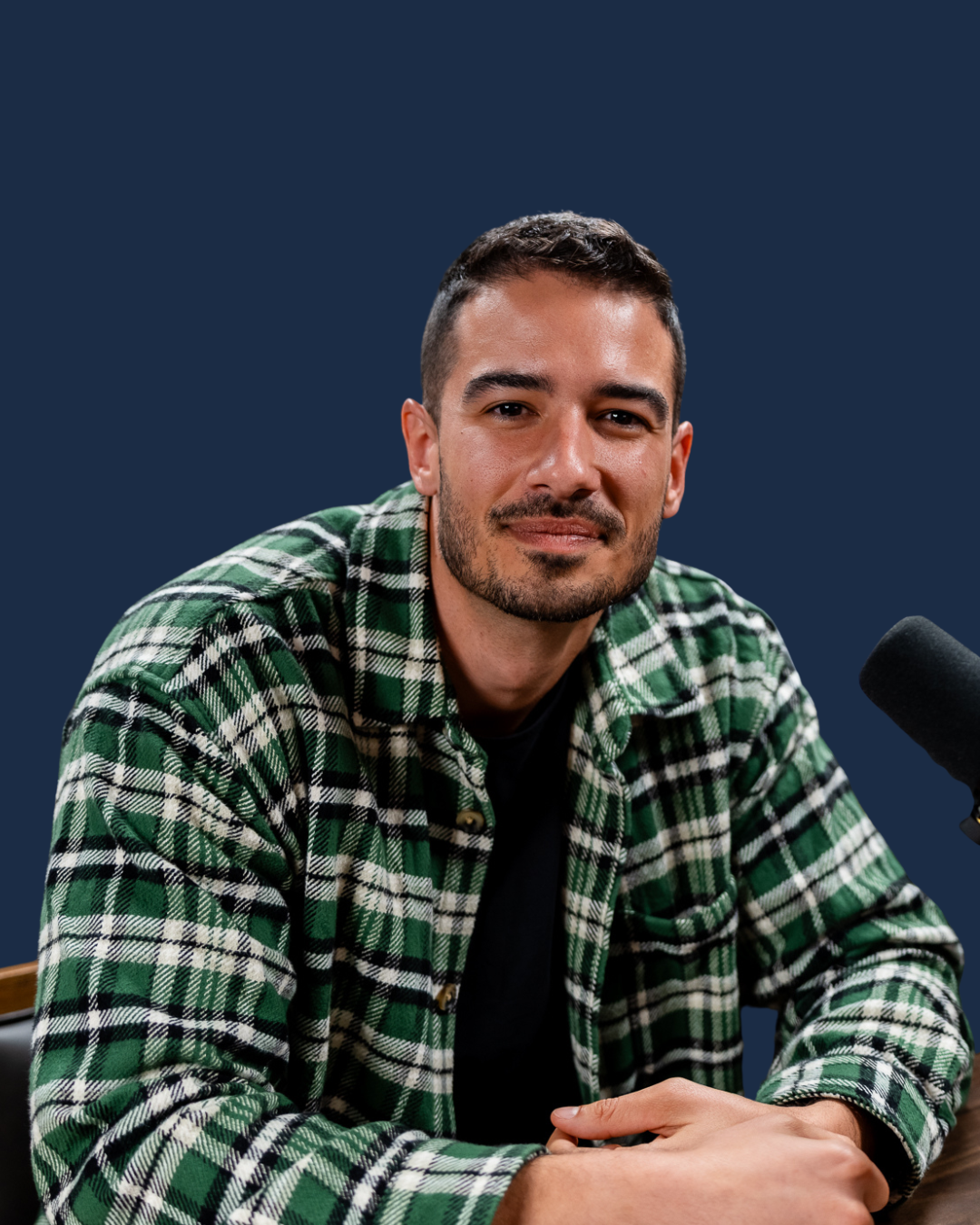

Joe Villegas's habits didn't fully stick from willpower alone, they stuck once he became a CrossFit coach and his identity shifted from someone occasionally doing fitness activities to someone who simply is a healthy, active person. That identity shift, not sheer discipline, is what made consistency feel automatic.
Joe Villegas went from over 300 pounds to a CrossFit coach with years of experience in the fitness industry and corporate wellness. His initial transformation, losing 40 pounds in 6 months, is impressive on its own. But the deeper story is about what actually made the change last.
The Early Struggle With Structured Nutrition Plans
Joe initially tried the Zone Diet, a system requiring balanced macronutrients at every meal to manage insulin response. Despite having a math degree, he found the constant calculation too tedious to sustain, illustrating how even a scientifically sound plan can fail if it's too complicated to actually follow long term.
The Real Shift: Becoming a Coach
Joe identifies becoming a CrossFit coach as the true turning point, more significant than any specific diet or workout program. Before coaching, healthy behaviors were still something he had to consciously push himself to do. Once he became a coach, everything changed, because clients and community members were now looking to him as an example.
It wasn't something where I had to drag myself by the belt loops. It was more like, hey, this is who I am now, this is what I'm doing.
This is a genuine identity shift, moving from someone who does fitness activities to someone who simply is a fit, healthy person. Once that shift happens, consistent habits stop requiring constant willpower, because they're now an expression of identity rather than a task.
How Restrictive Eating in Childhood Created Anxiety
Joe also opened up about a period of restrictive, low-carb eating driven by outside pressure during his teenage years, which created genuine anxiety around food in social situations. Being at a family celebration and feeling unable to relax because of guilt over eating rice, or feeling unable to enjoy a slice of cake at a birthday party, became recurring sources of distress.
Learning to Loosen the Rules Without Losing Progress
As Joe matured and gained more nutrition knowledge, his relationship with food became noticeably more flexible. Foods once treated as forbidden became simply part of a balanced approach: rice is fine, cake at a birthday party is fine, and none of it means abandoning progress or needing to "make up for it" afterward.
This shift, from viewing specific foods as morally good or bad to viewing them within a broader, flexible pattern, mirrors the same identity change Joe experienced with training: less rigid rule-following, more genuine, sustainable behavior.
- A structured nutrition plan can fail if it's too complicated to sustain, regardless of how scientifically sound it is.
- Becoming a coach shifted Joe's internal identity from doing fitness activities to simply being a fit person.
- An identity shift can make consistent habits feel automatic rather than a constant act of willpower.
- Overly restrictive eating rules, especially imposed early in life, can create lasting anxiety around food in social settings.
- A more flexible relationship with food allows genuine enjoyment of meals and events without guilt or derailing progress.
Joe's story is a reminder that lasting change often has less to do with finding the perfect diet or workout plan, and more to do with the identity shift that makes healthy behaviors feel like who you are, not something you have to force yourself into every day.
Frequently Asked Questions
Why does an identity shift matter more than willpower for lasting change?
When healthy habits become part of who you are, rather than a task you force yourself to do, they stop requiring constant willpower. Joe Villegas found that becoming a coach, someone others looked to as an example, made consistency feel automatic rather than effortful.
Can overly restrictive diets in childhood create long-term anxiety around food?
Yes, for some people. Rigid rules that label specific foods as strictly forbidden can create ongoing distress in social situations, like feeling unable to relax at a birthday party or family gathering because of anxiety over specific foods being present.
What does a flexible relationship with food actually look like?
It means not labeling specific foods as strictly good or bad, and understanding that having a piece of cake at a birthday party or rice at a family meal doesn't undo overall progress or require guilt afterward.
Does becoming a coach or mentor help someone maintain their own healthy habits?
For Joe Villegas, becoming a coach shifted his internal identity from someone occasionally doing fitness activities to someone who simply is a healthy, fit person, which made consistent habits feel like a natural expression of who he is rather than a constant effort.
Ready to Build a Body That Lasts?
Science-backed coaching for busy professionals over 40. Apply today for support that helps healthy habits become part of who you are.
Apply Now →