
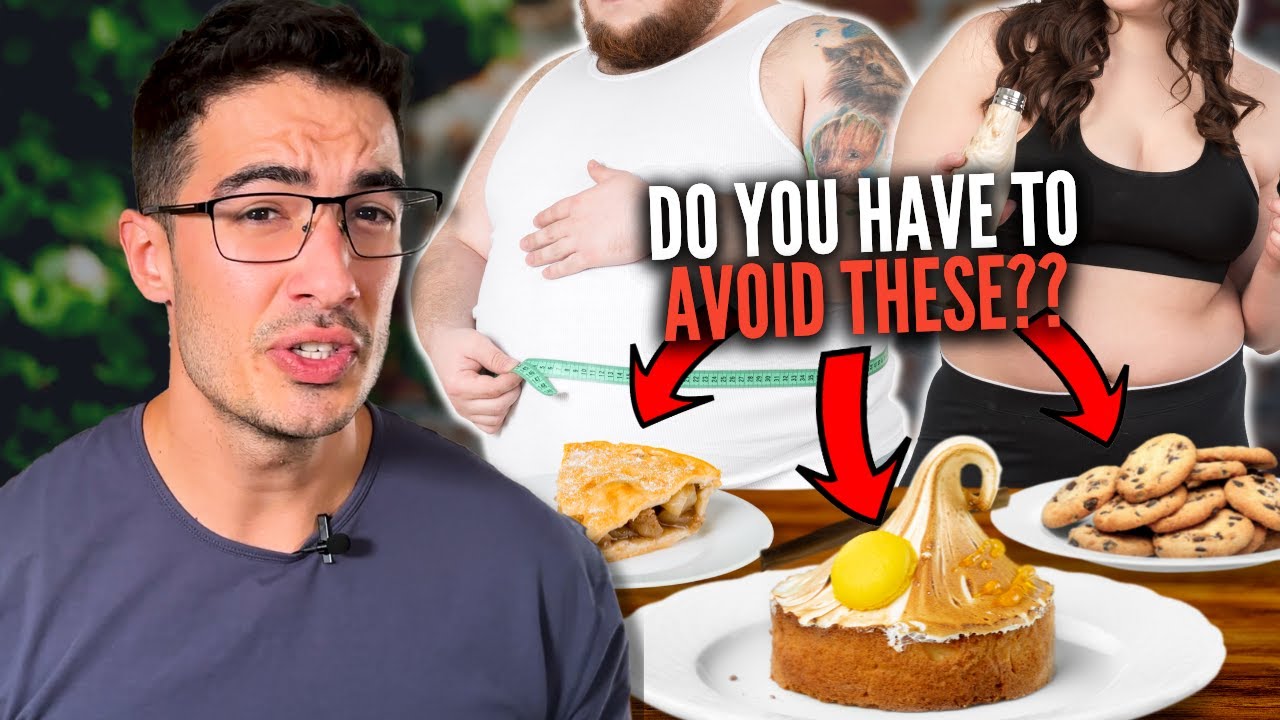
No. Carbohydrates don't cause weight gain on their own. Total calories matter far more than which macronutrient they come from. Studies controlling for calories show no meaningful difference in fat loss between higher-carb and higher-fat diets. Choose mostly complex carbs for fullness, and enjoy refined carbs sometimes within your calorie target.
Headlines regularly claim that overeating isn't what makes us gain weight, but rather too many carbohydrates. If you believe it, avoiding white bread, candy, and refined sugar feels like the only way to get lean. Dr. Joey breaks down why the underlying theory doesn't hold up.
The Carbohydrate Insulin Model
The idea is known as the carbohydrate insulin model of obesity. It argues that overeating refined carbs, not overeating calories, is what causes weight gain. The logic runs like this: carbs raise blood sugar, the pancreas releases insulin, and insulin moves sugar into tissues, including fat tissue where it is stored. Because insulin lowers blood sugar, the brain supposedly senses starvation and keeps you hungry. Insulin also blocks fat burning, so you store more and burn less.
If you don't know physiology, it sounds convincing. It starts to fall apart when you test it.
What the Research Shows
In the large dietary study, all four carb quartiles ate similar total calories. If the insulin model were right, the highest-carb group should have had more obesity. Instead, they had a lower risk. That study is observational, so Dr. Joey also points to a metabolic ward study by researcher Kevin Hall, where every food was controlled. Participants switched between high-carb and high-fat diets with calories restricted. Energy intake and expenditure didn't differ, and the higher-carb group lost slightly more weight.
Carbohydrates do not inherently cause weight gain when calories are equated for.
Where the Logic Goes Wrong
People who are overweight tend to have higher blood sugar than lean adults, which doesn't fit the idea that insulin leaves everyone starved of sugar. The bigger flaw is that the model looks only at what happens right after a meal.
Say you burn about 2,400 calories a day, or roughly 100 per hour. After a large meal, you will store some fat because the meal contains more energy than you burn while digesting it. Hours later, with no food coming in and your body still burning energy, you burn some of that fat back. This cycle repeats after every meal, and it happens with fat in your food just as much as with carbs. What decides whether you gain or lose fat over time is the net result across the whole day, which is driven by total calories.
What About Processed Foods?
Dr. Joey isn't saying a diet high in processed sugar is a good idea. Refined sugars add little nutrition and don't keep you full. In Kevin Hall's other well-known study, people eating mostly ultra-processed foods ate about 500 more calories a day than those eating mostly unprocessed foods. But that doesn't mean processed food has a special fattening effect beyond calories. It means those foods are easy to overeat, and they are usually high in both fat and sugar, so carbs can't take all the blame.
Why More Carbs Than Fat Can Help Fat Loss
If your goal is fat loss, start with high protein. After that, there are practical reasons to fill the rest of your diet with more carbs than fat.
- The carbohydrate insulin model claims refined carbs, not calories, cause weight gain, but controlled studies do not support it.
- A large dietary study found the highest-carb group had a lower risk of obesity, not a higher one.
- Fat storage and fat burning happen after every meal, so net energy balance over the day decides fat gain.
- Ultra-processed foods lead to overeating because they are easy to eat a lot of, not because carbs are uniquely fattening.
- For fat loss, prioritize protein, then fill the rest of your diet with mostly complex carbs for fullness and training fuel.
You don't have to fear white rice or the occasional sweet treat. Keep protein high, build most of your diet around complex carbs, and manage total calories, which is what actually decides whether you lose fat.
Frequently Asked Questions
Do carbs make you gain weight?
Not on their own. When calories are equal, studies show similar fat loss on higher-carb and higher-fat diets. Total calorie intake is what drives weight gain or loss.
What is the carbohydrate insulin model of obesity?
It is the theory that refined carbs raise insulin, which promotes fat storage and constant hunger, so carbs rather than calories cause weight gain. Controlled research doesn't support it.
Should you avoid refined carbs completely?
No. Refined carbs offer little nutrition or fullness, so they shouldn't dominate your diet, but they can fit occasionally as long as you stay within your calorie target.
Why can a higher-carb diet be better for fat loss?
Carbs are more filling than fat, they fuel your training through muscle glycogen, and complex sources like potatoes, beans, and fruit help regulate hunger while dieting.
Ready to Build a Body That Lasts?
Science-backed coaching for busy professionals over 40. Apply today for a nutrition plan that lets you keep eating carbs.
Apply Now →