
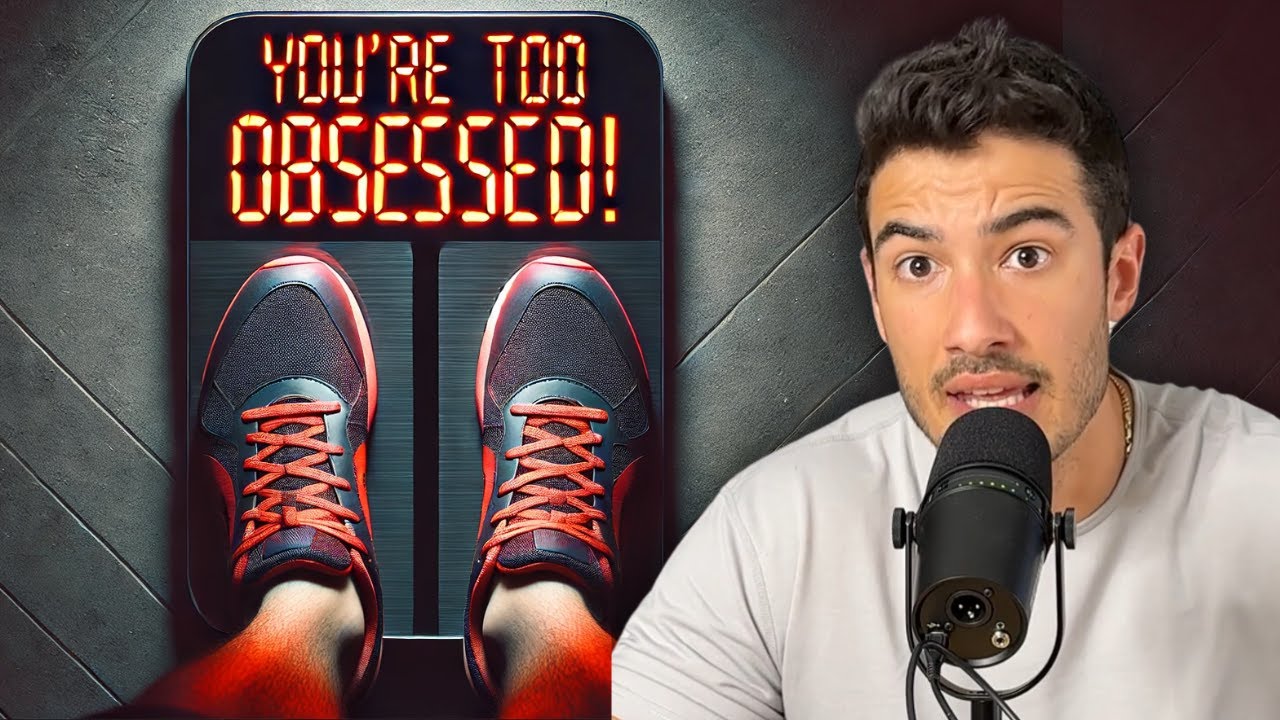
Scale weight reflects more than just body fat, it also includes water, food volume, and other short-term variables. Water retention from your menstrual cycle, a harder-than-usual workout, or simply more food currently in your digestive tract can all push the scale up temporarily without any real fat gain taking place.
Here's a claim that might sound controversial at first: the reason you can't lose weight might be that you're too hyperfocused on losing weight. Not in a mystical, law-of-attraction way, but in a very concrete, measurable way that shows up in how people react to the scale.
Why Hyperfocusing on the Scale Backfires
When someone's goal is purely "lose weight," they often measure all progress solely by whether the scale number dropped since yesterday. This creates an emotional rollercoaster: doing everything right for a week, only to feel like a failure because the scale went up, even while genuinely losing fat.
The stuff that you do to achieve a particular goal is the stuff that you need to keep doing to maintain your progress forever.
Specific Reasons Your Weight Can Go Up Without Fat Gain
| Cause | Why It Happens |
|---|---|
| Menstrual cycle | Hormonal shifts before a period commonly cause water retention and bloating |
| New or harder workout | Increased muscle soreness triggers inflammation, which involves water retention |
| More food in digestive tract | Simply having more food or being constipated adds weight without adding fat |
| Sodium or carb intake | Higher sodium or carbohydrate meals pull more water into the body temporarily |
None of these factors tell you anything meaningful about whether you're actually losing body fat. Yet people who are hyperfocused on the scale often interpret any of them as proof their plan isn't working.
The Yo-Yo Cycle This Creates
When someone experiences one of these normal fluctuations and interprets it as failure, a predictable pattern often follows: frustration, followed by falling off plan, overeating over the weekend, skipping workouts because "what's the point," and eventually restarting the whole cycle over again. This yo-yo pattern, not a lack of willpower, is often what actually prevents sustained weight loss.
The Fix: Measure the Process, Not Just the Outcome
Objective goals, like wanting to lose 20 pounds, are fine and useful. The problem is measuring progress solely by whether that number is dropping day to day. Instead, success should be measured by consistency with the actual behaviors that drive results: sticking to your nutrition plan, showing up for workouts, sleeping enough, and limiting alcohol.
If you're doing those things consistently, trust that fat loss is happening even during weeks the scale doesn't reflect it, since a genuine calorie deficit sustained over months will always show up in the data eventually, even with normal week-to-week noise along the way.
- Scale weight reflects water, food volume, and other variables, not just body fat, so it fluctuates naturally.
- Hormonal cycles, harder workouts, and sodium or carb intake can all cause temporary weight increases unrelated to fat gain.
- Hyperfocusing on the scale number can trigger a frustrating, unproductive cycle of falling off and restarting a diet.
- Measuring progress by consistent behaviors, not daily scale readings, is what actually sustains long-term results.
- A genuine calorie deficit maintained over months will show up in the data, even with normal fluctuations along the way.
If the scale went up this week despite doing everything right, that's not evidence your plan failed. It's simply one of the many normal, temporary variables that has nothing to do with your actual progress.
Frequently Asked Questions
Why does the scale go up even when I'm losing fat?
Scale weight includes water, food volume in your digestive tract, and other factors beyond body fat. Water retention from a menstrual cycle, a new or harder workout, or simply more food in your intestines can all cause the scale to go up temporarily without any actual fat gain.
Why is hyperfocusing on weight loss actually counterproductive?
When weight loss itself becomes the only measure of success, normal fluctuations feel like failures, which can trigger frustration, restrictive overcorrections, and eventually falling off track entirely, even while doing the right things consistently.
What should you focus on instead of the number on the scale?
Focus on the daily process, consistent nutrition, training, sleep, and limiting alcohol, since these are the behaviors that actually drive results. Sustainable progress requires developing a lifestyle you can maintain forever, not just doing whatever produces a number change temporarily.
Can a harder workout actually make the scale go up?
Yes. Starting a new exercise or training harder than usual can cause muscle soreness and inflammation, both of which involve water retention. This can push the scale up temporarily, even while you're actively making progress toward your goals.
Ready to Build a Body That Lasts?
Science-backed coaching for busy professionals over 40. Apply today for a plan that keeps you focused on the process, not just the scale.
Apply Now →