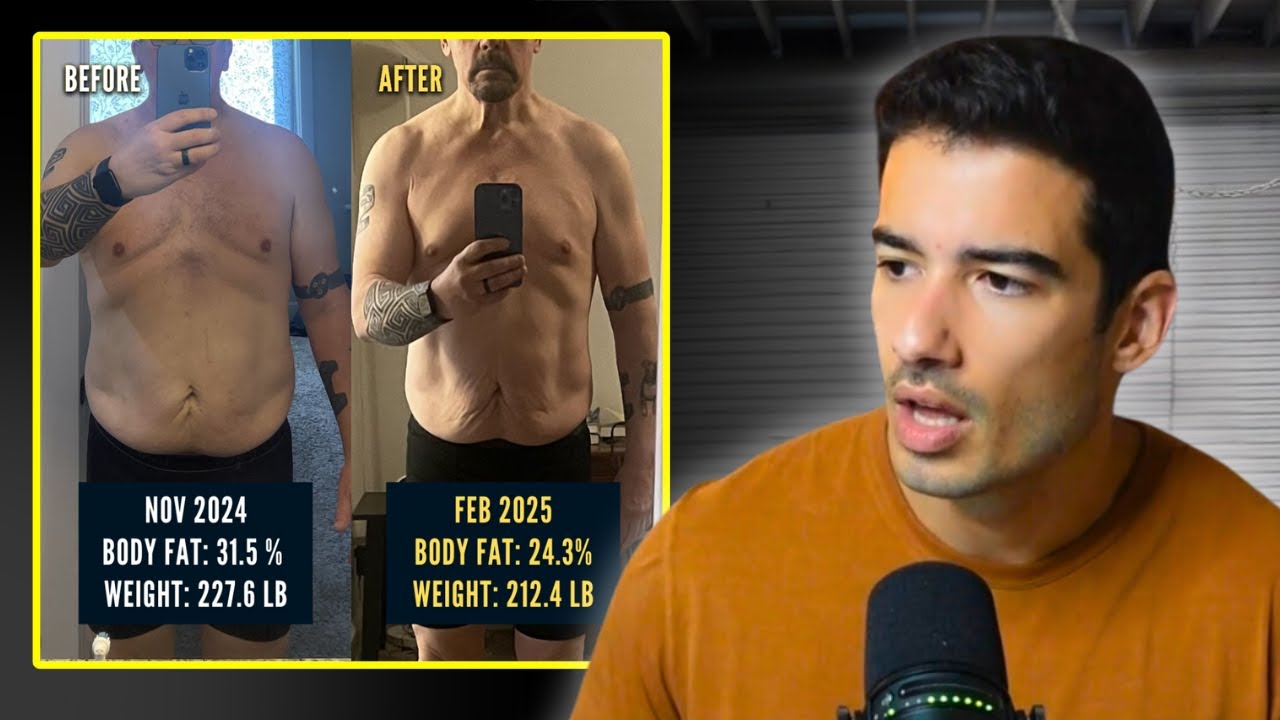
Randy lost his first chunk of weight through a GLP-1 medication, but research on regain after stopping the drug pushed him to add structured coaching, calorie tracking, and mindfulness techniques. That combination, not the medication alone, is what he credits for keeping the weight off long term.
Randy Splinter started his weight loss journey at 277 pounds. In the year and a half since, he's down to 204, a loss of about 73 pounds. But the most useful part of his story isn't the number, it's what he did after the medication started working, when he realized losing the weight and keeping it off were two very different problems.
Starting With Medication, Walking, and Lifting
Randy started a GLP-1 medication in January 2024 after months of trying to get access to it. In the early months, his activity was mostly walking, which progressed into a walk-run mix by spring, and eventually back into strength training over the summer using a home gym he'd had for years but hadn't been using.
The medication was doing real work. But by that fall, research started surfacing that concerned him: people who lost significant weight on GLP-1 medications often regained it after stopping, because the drugs don't address the habits that led to the weight gain in the first place.
Making the Decision Not to Go Backward
Having already lost meaningful weight, Randy made a personal decision not to let it come back. That meant confronting things like emotional eating and habitual eating patterns that had built up over decades, which the medication alone was never going to fix.
The research conclusions were pretty clear that the drugs help weight loss, but they don't help your mind. They don't help you break bad habits that have developed over years and decades.
He looked into local coaching options first but wasn't impressed with approaches that focused only on diet without addressing the psychological side. Around the same time, he came across mindfulness-based approaches to eating, which pointed him toward the kind of support he was actually looking for.
The Habit That Changed Everything: Actually Reading Labels
Once Randy started working with a coach, the single biggest shift was tracking calories, not as a restrictive rule, but as a way to build awareness. Foods he'd eaten for years turned out to carry a surprising number of calories once he actually looked at the label.
He also emphasized how easy it is to underestimate portions without realizing it: a small handful of chips that seems insignificant can add up fast if you're not paying close attention, quietly eating into a daily calorie target without you noticing.
Why Awareness Mattered More Than Any Specific Rule
What tracking really gave Randy wasn't a rigid set of rules, it was awareness of eating behaviors he'd never paid attention to before. Most people don't have a clear sense of how much they actually eat day to day, and that blind spot is often what quietly works against progress.
Combined with the psychological piece, learning to notice the thoughts and habits behind his eating choices, that awareness is what let him actually apply the changes his coach was helping him identify.
- GLP-1 medication supported Randy's initial weight loss, but doesn't address the underlying habits that caused the weight gain.
- Research on regain after stopping GLP-1 medications was the reason he sought structured coaching alongside it.
- Tracking calories built awareness of how much he was actually eating, rather than functioning as strict restriction.
- Small, easy-to-underestimate portions can quietly derail a calorie target without careful attention.
- Addressing the psychological and emotional side of eating was central to making his results sustainable.
Randy's story is a reminder that a medication or a tool can start the process, but what makes weight loss last is usually the unglamorous work of building awareness and addressing the habits underneath it.
Frequently Asked Questions
Does weight loss medication alone keep the weight off long term?
Not on its own. Research Randy came across showed that people who lose weight on GLP-1 medications often regain it after stopping, because the medication doesn't address the underlying habits, like emotional eating, that developed over years. Pairing medication with lifestyle change is what protects the results.
Why does tracking calories create awareness rather than restriction?
For Randy, tracking wasn't about obsessively restricting food, it was about discovering how many calories were hiding in foods he'd eaten for years without a second thought. That awareness, built from actually reading labels, changed his choices more than any specific rule did.
What role does mindfulness play in sustainable weight loss?
Mindfulness techniques help address the psychological and emotional side of eating, like recognizing triggers for emotional or habitual eating before they happen. Randy found this piece, not just the food itself, was central to making his weight loss stick.
Why did Randy look for coaching after already losing significant weight?
After losing weight primarily through medication, Randy made a personal decision not to regain it, which meant addressing decades-old habits around emotional and habitual eating. He sought coaching specifically because he wanted support with the psychological side, not just another diet plan.
Ready to Build a Body That Lasts?
Science-backed coaching for busy professionals over 40. Apply today for support that helps your results actually stick.
Apply Now →