
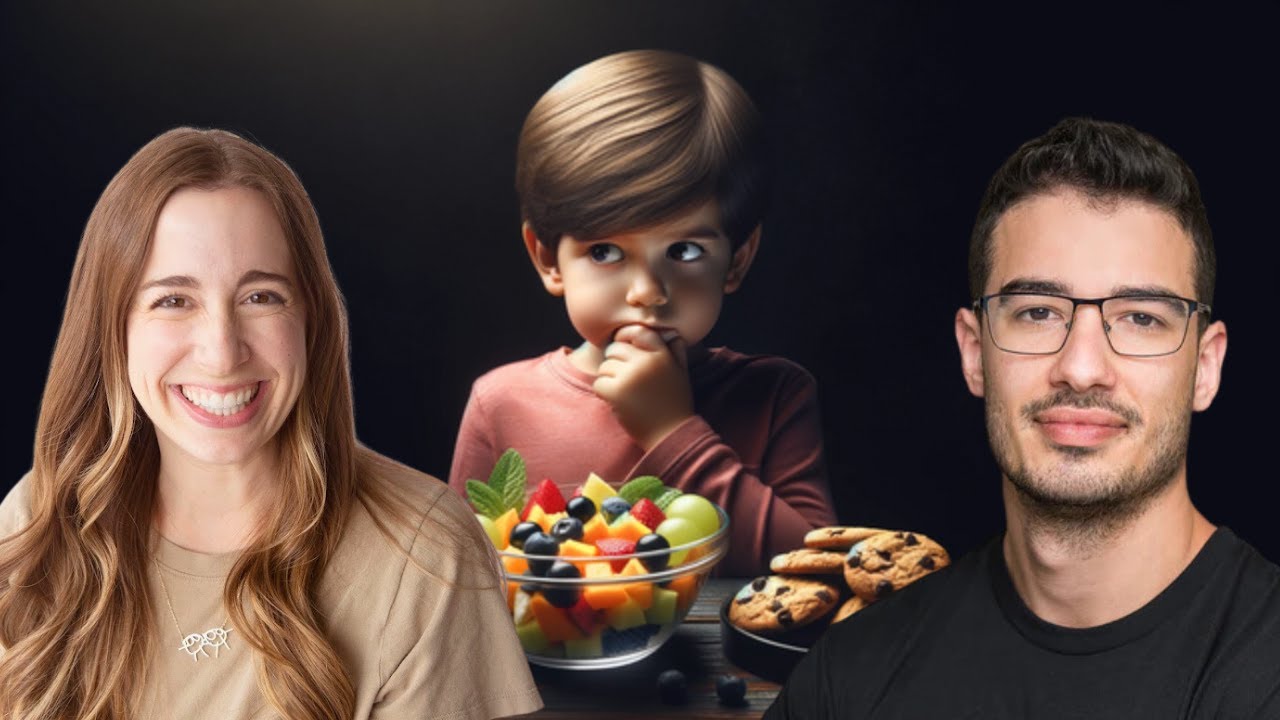
The division of responsibility framework means the parent decides what food is offered and provides a balanced diet, while the child decides whether and how much of that food to eat. Trying to take responsibility from the other side, forcing a child to eat something specific, tends to create power struggles that damage the feeding relationship.
What are the biggest mistakes parents make with their kids' nutrition? Dr. Taylor Arnold, a pediatric nutrition specialist, points to two: using moralizing language like "good food" and "bad food," and overstressing about nutrition before a child is old enough to start making more independent food choices.
The Division of Responsibility, Explained
| Who | Responsibility |
|---|---|
| Parent | Providing a balanced diet and deciding what food gets offered at meals and snacks |
| Child | Deciding whether to eat, and how much, from what's offered |
This division changes as the child gets older, gradually shifting more choice to them as they demonstrate the ability to make balanced decisions on their own. Trying to take responsibility from the other person's side of that line is where problems start.
Anytime we try to take responsibility from each other's bucket, it's going to cause power struggles and potential issues with trust in the feeding relationship.
Why You Can't Actually Force a Child to Eat
Dr. Arnold points out something obvious but often forgotten in the moment: short of physically putting food in a child's mouth, you cannot force them to eat. A child can seal their lips shut and refuse. Insisting "you must eat this now" creates exactly the kind of power struggle that damages trust, and toddlers in particular love to seize on any opportunity to control a situation.
What to Do Instead of Insisting
Rather than removing the child's responsibility over their own eating, Dr. Arnold recommends supporting exploration through indirect methods: modeling healthy eating yourself, cooking together, using play, and, for selective or highly picky eaters, checking whether sensory sensitivities or an underlying medical issue might be contributing, since this is more common than most parents realize.
Why "Boundaries" Beats "Rules"
Dr. Arnold prefers the word boundaries over rules when describing this relationship. As a real-world example, she described a moment where her husband wanted to restrict a snack their toddler had already been offered plenty of, while she recognized it wasn't worth the power struggle, since the child had already eaten a balanced amount that day.
That flexibility, treating occasional sweets or crackers as simply part of a broader, balanced pattern rather than a threat requiring intervention, reflects the same underlying principle used with adults: keeping treats available, rather than forbidden, tends to reduce a child's urge to overeat them specifically.
- The division of responsibility framework: parents decide what's offered, children decide whether and how much to eat.
- Trying to force a child to eat, or insisting they must, creates power struggles that damage trust in the feeding relationship.
- Modeling, cooking together, and play support food exploration far better than pressure or insistence.
- Labeling foods as "good" or "bad" is one of the most common mistakes parents make with their kids' nutrition.
- Keeping treats genuinely available, rather than forbidden, tends to reduce a child's urge to overeat them.
Raising a healthy eater isn't about winning every meal, it's about staying on your own side of the responsibility line consistently, and trusting your child to handle theirs as they grow into it.
Frequently Asked Questions
What is the division of responsibility in feeding children?
It's a framework where the parent is responsible for providing a balanced diet and deciding what food is offered, while the child is responsible for deciding whether and how much of that food to eat. Taking responsibility from the other person's side tends to create power struggles.
Should parents force a child to eat a specific food?
No. A child can't physically be forced to eat, and insisting they must creates a power struggle that can damage trust in the feeding relationship. It's more effective to support exploration through modeling, cooking together, and play, rather than pressure.
Is it harmful to label foods as "good" or "bad" with kids?
Yes, this is considered one of the biggest common mistakes parents make. Labeling food morally can contribute to a more complicated, anxious relationship with food later on, compared to talking about food in more neutral, descriptive terms.
Does keeping treats available help or hurt a child's eating habits?
Keeping treats like cookies or candy genuinely available, rather than forbidden, tends to reduce a child's urge to overeat them specifically, since restriction often increases the desirability and urgency around a food.
Ready to Build a Body That Lasts?
Science-backed coaching for busy professionals over 40. Apply today for a nutrition approach built on balance, for you and your whole family.
Apply Now →